

In Italy, companion animals outnumber the human population. There are more than 65 million of them, fueling a market worth more than €5.3 billion a year. These figures illustrate the growth of the pet economy, but according to Laura Ingrid Maria Colm , they should also prompt managers across many other industries to take notice.
The sector's greatest interest does not lie in its size, but rather in its ability to anticipate transformations that, as she argues in Pet Economy. Prodotti, servizi e innovazione di un settore in crescita (EGEA, 2026, in Italian), extend far beyond its own boundaries. The pet economy is a management laboratory where consumption, care, trust, and innovation intersect, offering valuable lessons for organizations operating in highly relationship-driven environments.
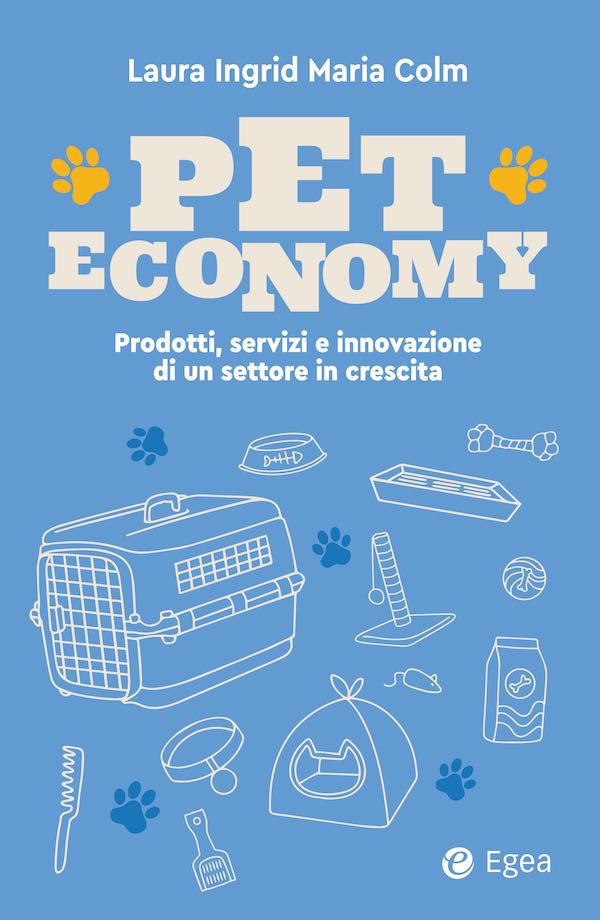 The book develops this perspective through a well-structured analysis. After defining the economic scope and boundaries of the pet economy, the author identifies three characteristics that explain how it operates: the humanization of companion animals , the dual customer journey (in which the purchaser is not the same as the beneficiary of the service), and the so-called "younger sibling" effect , which requires the sector to demonstrate credibility and rigor to a greater extent than many other industries. Building on these foundations, she examines products, distribution channels, services, technological innovation, and emerging business models, drawing on numerous corporate case studies to translate theoretical insights into practical guidance.
The book's most original contribution, however, lies in the way it interprets innovation. Colm argues that introducing new technologies such as artificial intelligence and animal health monitoring systems is not enough. In markets shaped by emotional engagement and responsibility, innovation means, above all, building legitimacy, experimenting gradually, and earning users' trust. This lesson extends well beyond the pet economy to many other industries now seeking the right balance between relationships and automation, personalization and efficiency, including healthcare, retail, and personal services. In this sense, the pet economy becomes a lens through which to observe trends that are likely to spread far beyond the sector itself.
For this reason, the book is relevant not only to professionals working in the pet industry. Managers, entrepreneurs, marketing and innovation professionals, as well as those involved in services, well-being, or customer experience, will find a wealth of insights into how to design offerings centered on strong human relationships. The book shows that many of the challenges currently defining the pet economy (building trust, managing asymmetric needs, and integrating technology with care) are rapidly becoming the competitive landscape across a growing number of markets.
- Publisher: EGEA
- Publication date: 2026
- Pages: 160
- ISBN/EAN: 9791222930954
- Format: Print, ePub
LAURA INGRID MARIA COLM is Associate Professor of Practice in Marketing and Sales at SDA Bocconi School of Management. Her research focuses on B2B marketing, services marketing, service-based business models, sales management, e-commerce, and omnichan


